Values and social skills are not learned overnight. Therefore, it is essential that children acquire the "building blocks" and general knowledge about ethics, integrity and rule of law topics at an early stage. Addressing these issues in children's initial educational development provides them with the basic knowledge and skills to both understand and react when they are confronted with corruption, violence, and other forms of crime in their lives. The Sustainable Development Goals can only be achieved if future generations are committed to the ethical and fair standards to which both the public and private sectors should be held accountable. Through such an early-learning approach, the attitudes towards corruption, and crime can gradually be challenged and changed.
In support of this aim, GRACE focuses on promoting and teaching values such as integrity, respect, acceptance, and fairness at the primary level (6-12 years old). GRACE educational materials will contribute to building resilience among children. Moreover, these tools will help to equip them with skills such as empathy, teamwork, critical thinking, and conflict resolution. These values and skills are crucial in reducing the tolerance and acceptance of corruption and crime as well as promoting integrity by assisting children in solving ethical dilemmas.
The ongoing work under GRACE not only ensures that children and youth are equipped with valuable knowledge and skills, but it also strives to integrate and mainstream a gender-perspective in all its activities and resources.
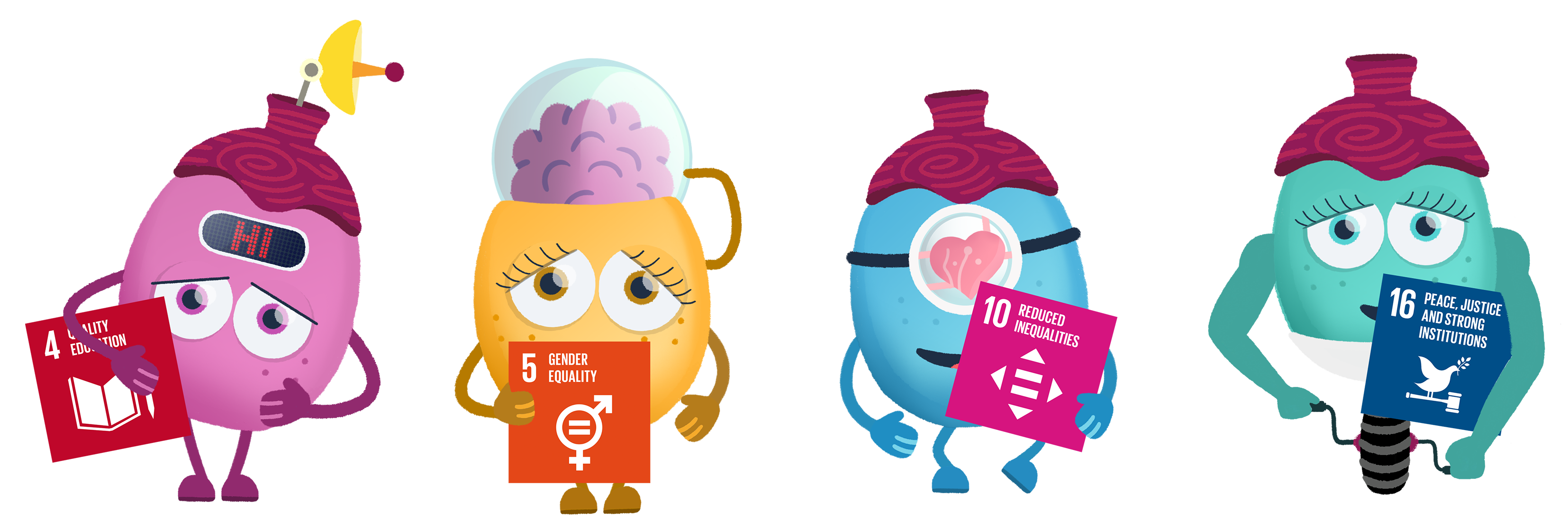
GRACE educational materials will also provide support in education relating to the 2030 Sustainable Development Goals, in particular Goals 4, 5, 10 and 16. Some products and activities for the primary level were developed in partnership with UNESCO. Other educational materials have been developed by UNODC with the involvement and consultation of educators, international organizations, non-governmental organizations and, most importantly, with children.
 RESOURCES


 PRIMARY EDUCATION