|
|
PREPARING YOUNG INTEGRITY LEADERS TO NAVIGATE AI AND EMERGING TECHNOLOGIES IN ANTI-CORRUPTION EFFORTS |
Vienna, Austria, 25-26 March 2026 — As emerging technologies shape corruption, empowering young people with knowledge, skills and a voice have never been more urgent.
UNODC invests in youth as partners of integrity, and as active contributors who bring unique ideas and experiences.
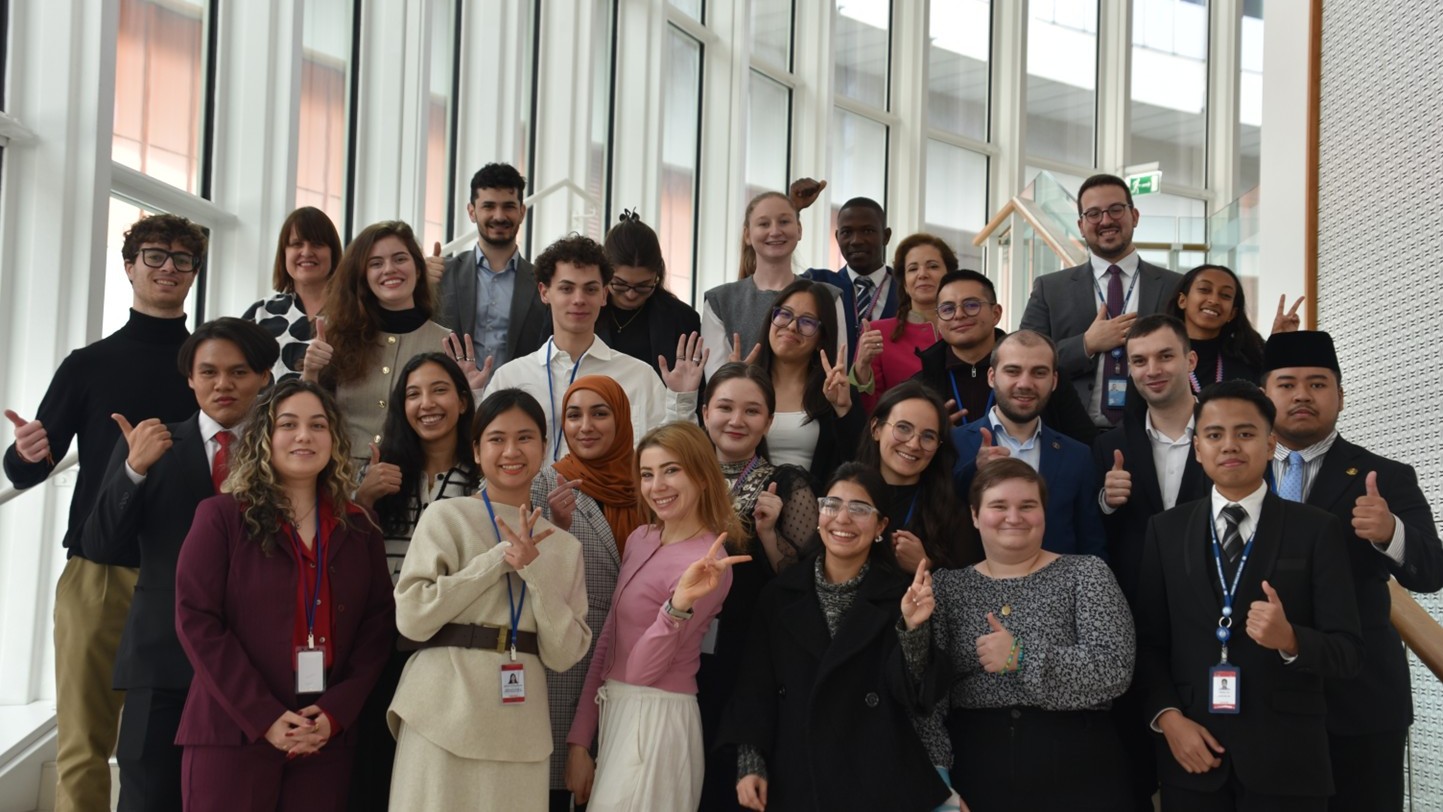
With this objective in mind, UNODC’s Global Resource for Anti-Corruption Education and Youth Empowerment (GRACE) initiative, organized the first capacity-building workshop to prepare young leaders to negotiate like real representatives at the first-ever Model UN Youth COSP.
Supported by the Administrative Control and Transparency Authority (ACTA) of the State of Qatar, the workshop took place on 25-26 March in Vienna, with 23 participants from 19 countries, bringing diverse backgrounds, from coders, data scientists and educators to students across disciplines.
In preparation for the future simulation of COSP, the young integrity champions engaged in interactive sessions learning how the United Nations supports countries in preventing and tackling corruption and the important role that young people have in these efforts.
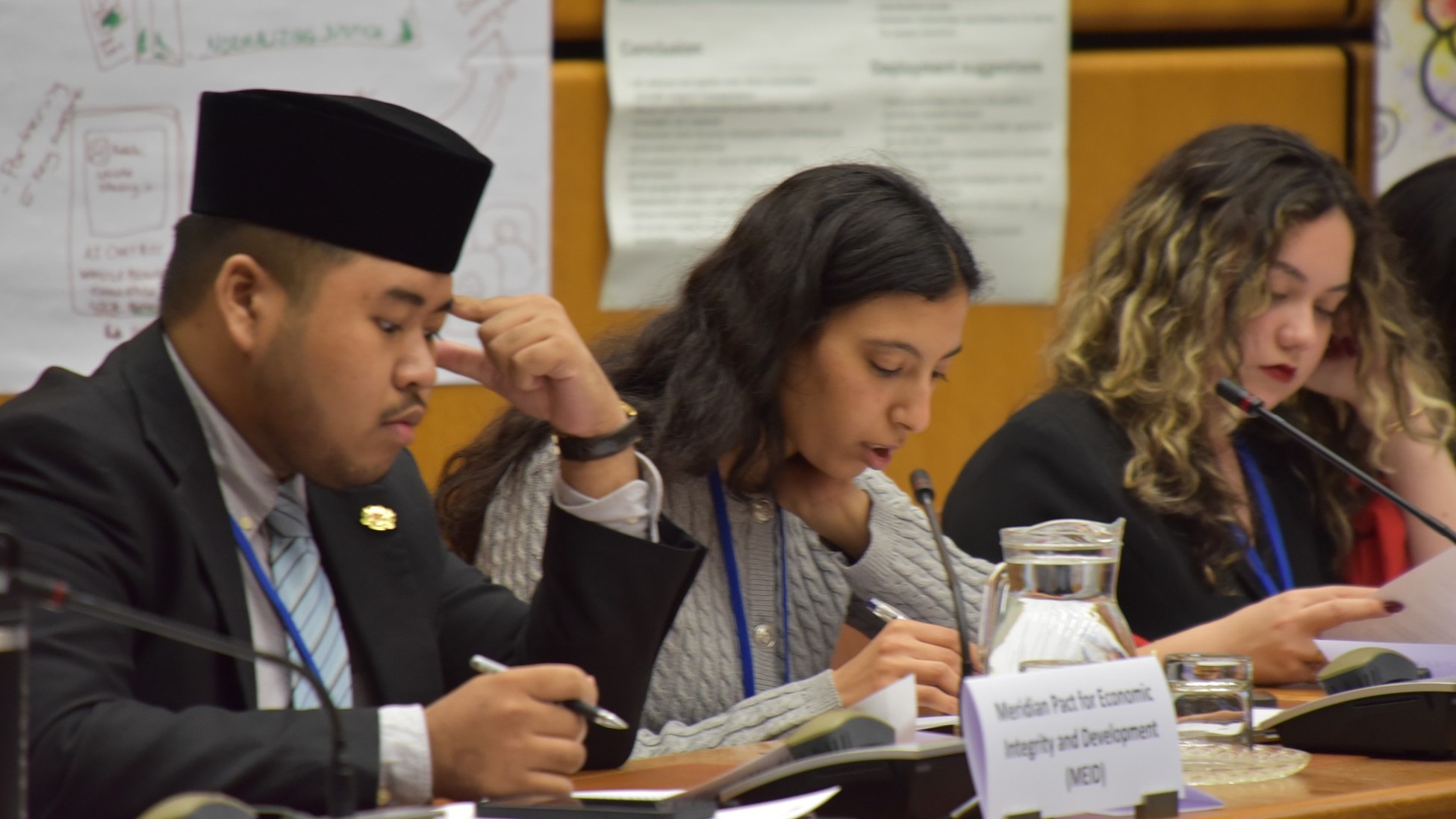
Participants also learnt about the dynamics of global negotiations conducted by countries under the framework of the UN Convention Against Corruption (UNCAC), the only global treaty dedicated to curbing corruption in all its forms.
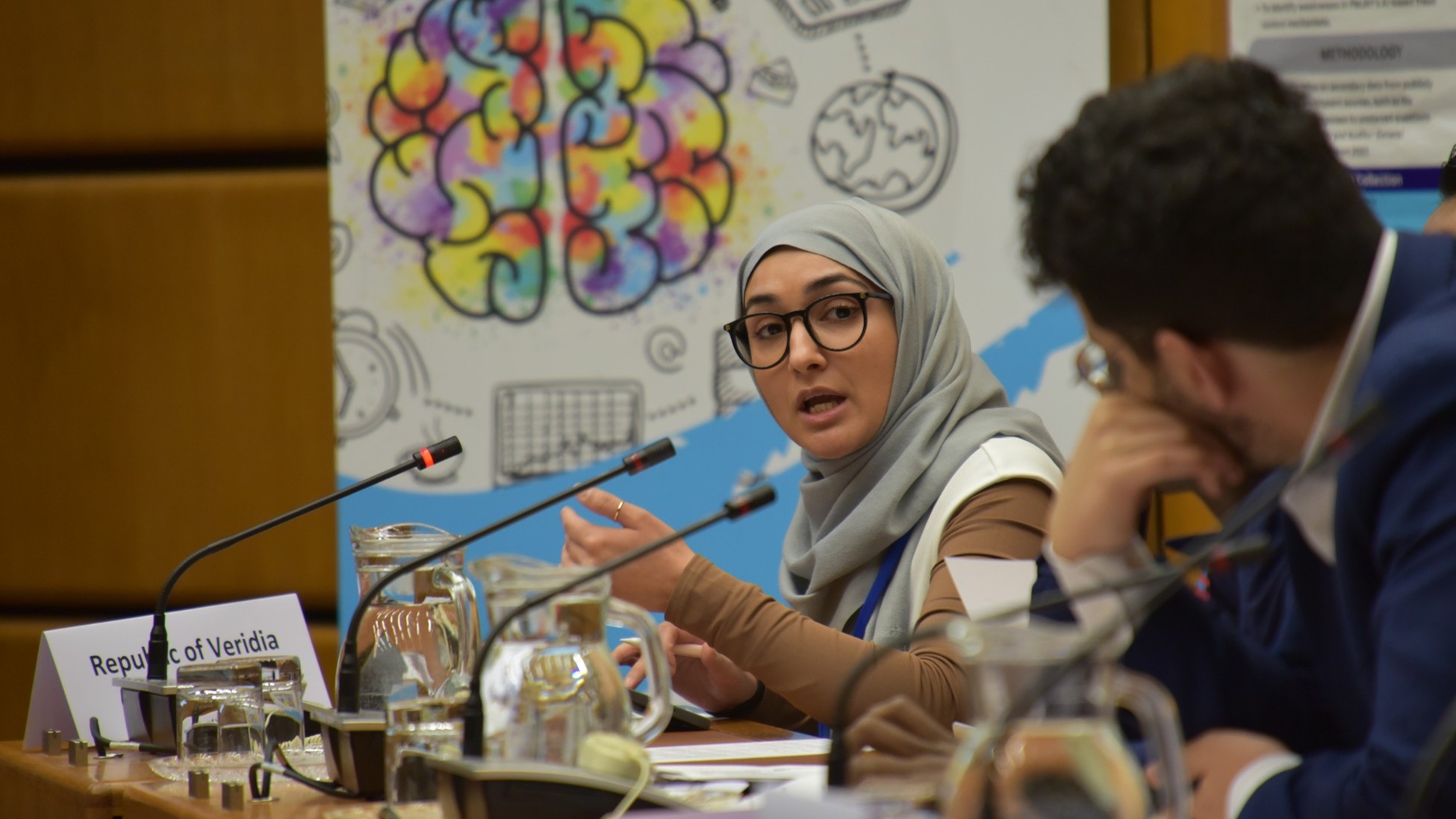
Throughout the two days, participants emphasized that corruption is not abstract, but a daily reality shaping or breaking opportunities.
The group’s diversity enriched the discussions which focused on the role of emerging technologies in shaping anti-corruption efforts.
A young participant described how fraudulent job and scholarship postings target youth to steal personal data – an emerging form of corruption in digital spaces. Another participant noted that governments do not always prioritize youth challenges, highlighting the gap between policy and lived experience of the youth.
A key highlight was the presentation of a research report prepared by UNODC’s YouthLED Integrity Advisory Board – “Stolen Futures: How Corruption Hurts Young People,” which explores how corruption undermines opportunities while reinforcing the role of youth as agents of change.
In line with the Doha Declaration adopted at the 11th Conference of States Parties to the UNCAC (COSP11), the workshop zoomed into both the positive role that technology can play in tackling corruption and strengthening transparency and accountability, as well as the possible risks and ethical considerations.
Among the participants, were also the young winners of the poster competition organized at UNODC’s 5th Anti-Corruption Academic Symposium held in Doha in 2025. They shared insights on AI-driven anti-fraud strategies in India’s health insurance system and presented different approaches on the use of AI tools by countries in South America.
By combining anti‑corruption education with dialogue on emerging technologies, GRACE continues to build a global community of young leaders of different backgrounds equipped to safeguard integrity. GRACE builds bridges between youth and policy, ensuring that young people’s perspectives and lived experiences inform and shape the work of UNODC.