|
|
YOUNG VOICES, PRACTICAL SOLUTIONS: ETHIOPIAN YOUTH DEVELOP POLICY RECOMMENDATIONS AGAINST CORRUPTION |
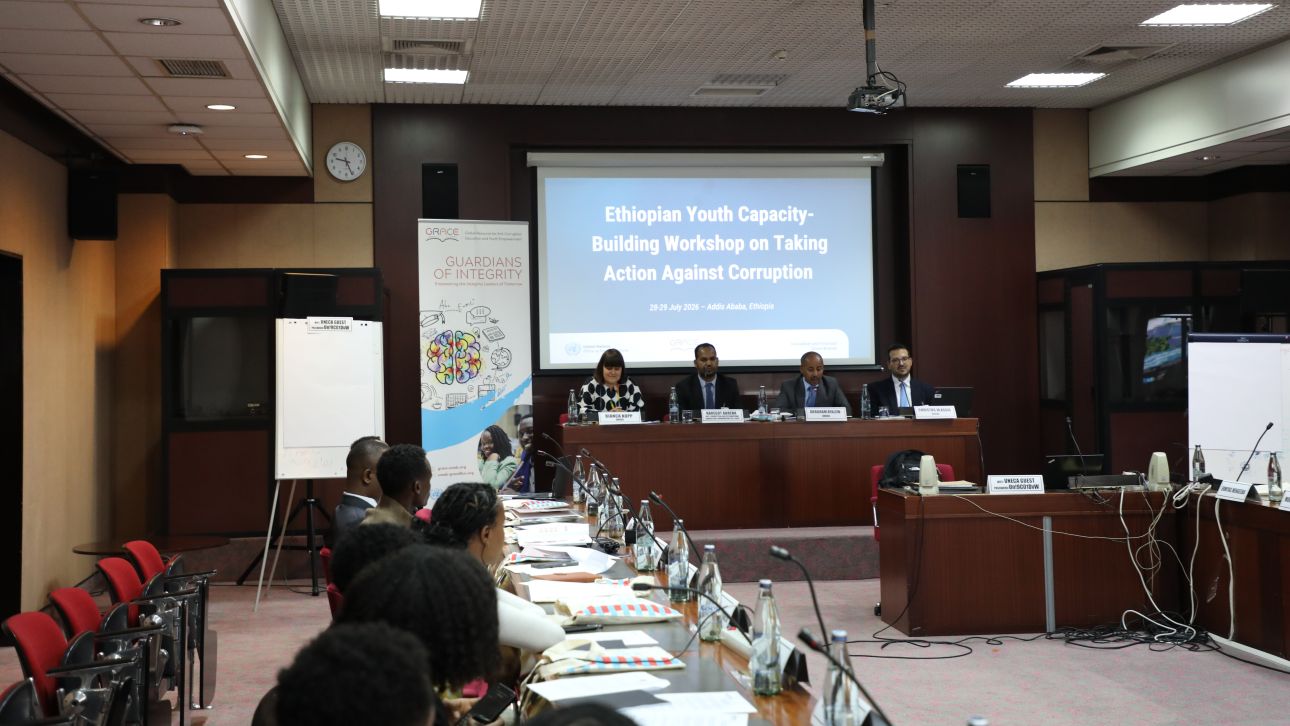
Addis Ababa, Ethiopia, 28-29 July 2026 — “I believe that the fight against corruption is strongest when every voice, including the voices of persons with disabilities, is heard and valued. I participated in this workshop catered for Ethiopian youth as a young blind lawyer; I left the workshop with a stronger commitment to promote transparency, accountability, and integrity while advancing the inclusion of persons with disabilities in building corruption-free communities,” said a passionate young participant who took part in the Taking Action Against Corruption workshop held from 28–29 July 2026 in Addis Ababa, Ethiopia.
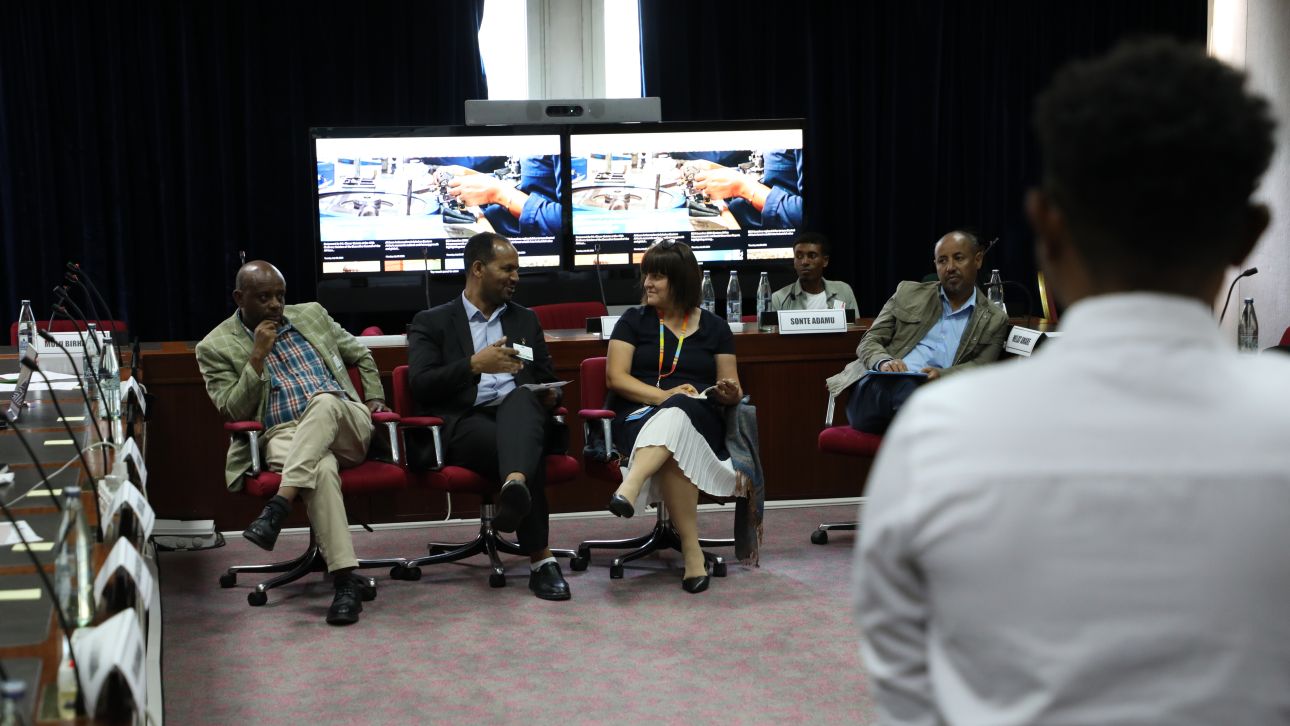
The United Nations Office on Drugs and Crime (UNODC), through its Global Resource for Anti-Corruption Education and Youth Empowerment (GRACE) Initiative, organized the two-day workshop in collaboration with the Federal Ethics and Anti-Corruption Commission (FEACC) of Ethiopia. The workshop also benefited from the participation of the Eastern Africa Association of Anti-Corruption Authorities, represented by Mr. Enock Muloni, bringing together national, regional and international perspectives on preventing and combating corruption.
The workshop convened 21 young people aged 18–30 from Addis Ababa and regions including Amhara, Oromia and Tigray. Participants represented diverse backgrounds, including university students, recent graduates and young professionals working in civil society, climate action and Ethiopia's justice sector. The group also included young people in their capacity as National Ethics and Anti-Corruption Ambassadors across universities in Ethiopia, nominated by the FEACC.
A participant from Ethiopia’s civil society sector highlighted how the workshop broadened her understanding of corruption, saying:
“The workshop was eye-opening and changed the way I understand corruption. I learned that many practices we often consider ‘normal’ in our daily lives are, in fact, forms of corruption. I also had the opportunity to learn about the Anti-Corruption Commission’s online platform for reporting corruption, which was my first time hearing about such an initiative, and gained valuable knowledge and new perspectives on preventing and addressing corruption.”
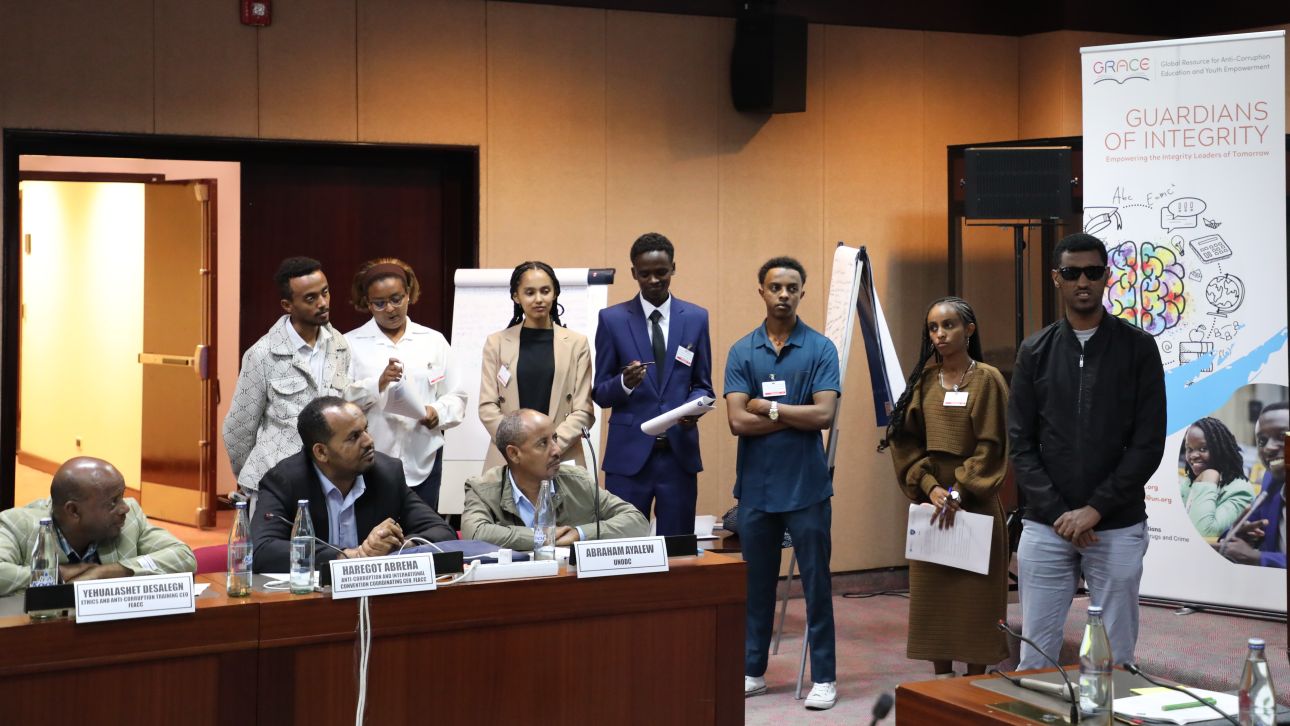
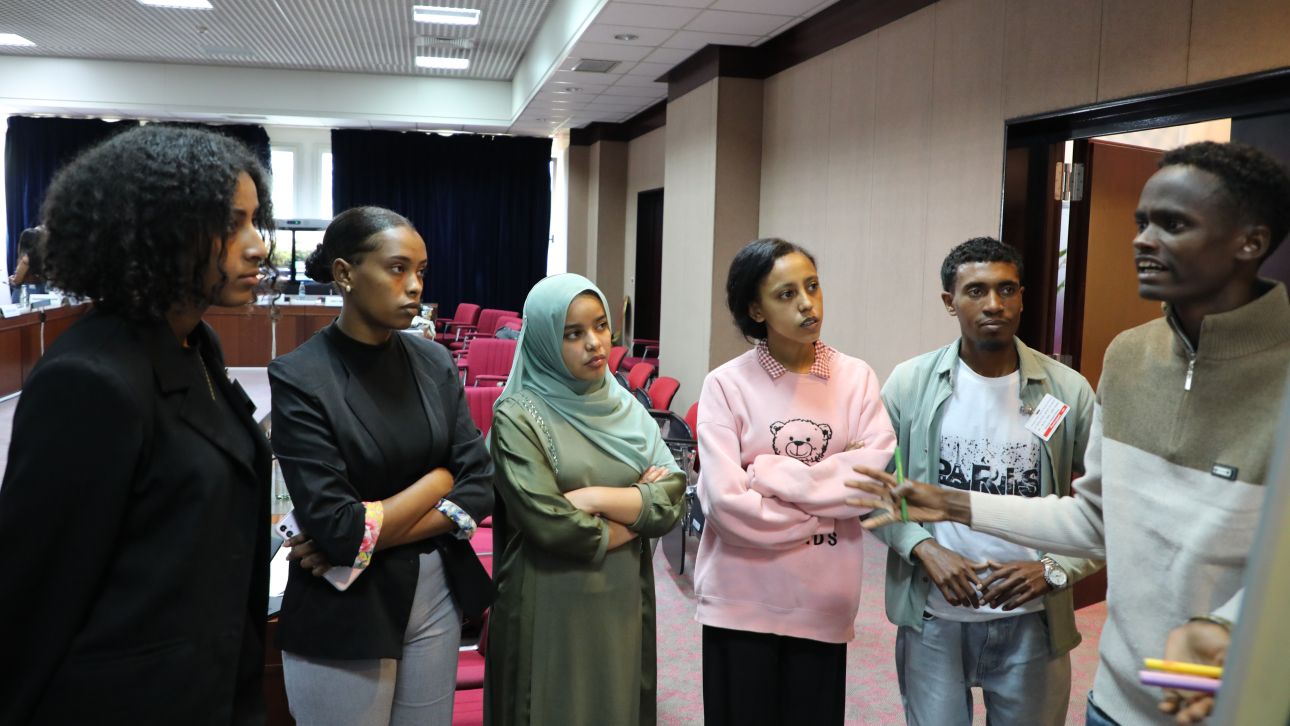
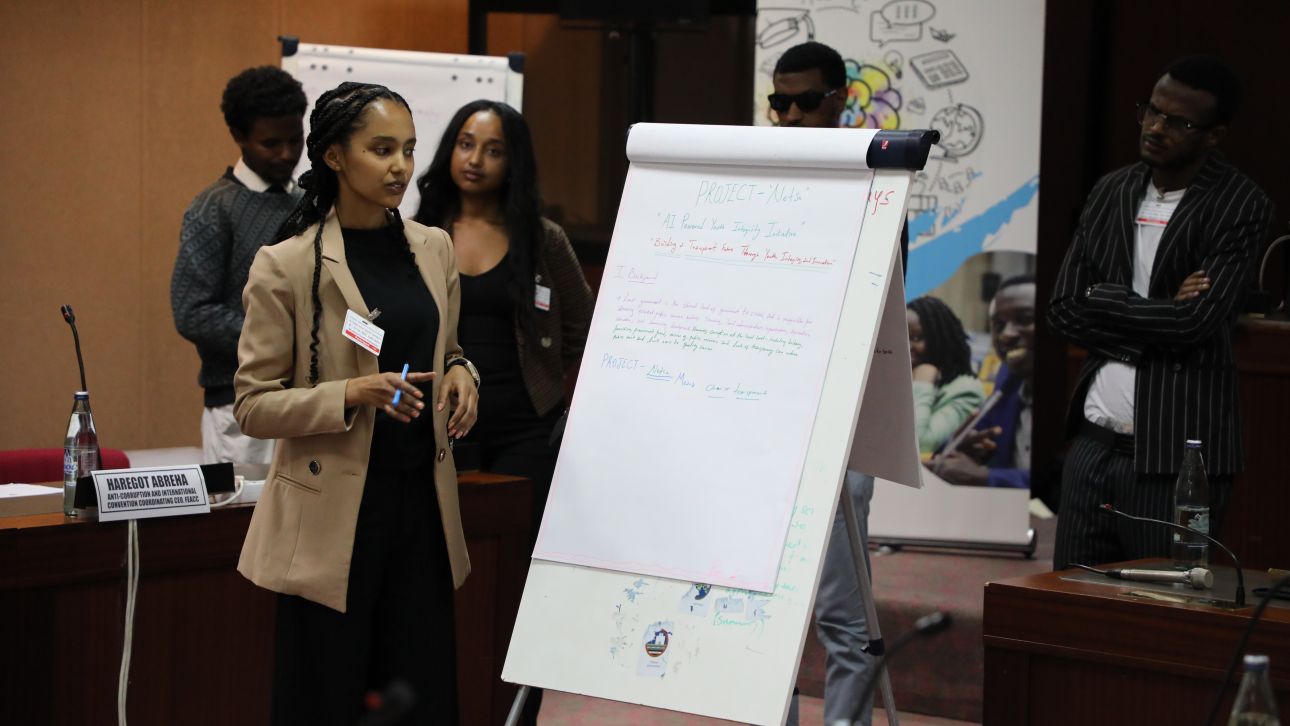
Through interactive discussions, case studies, corruption mapping exercises, design thinking and collaborative programme labs, participants explored how corruption affects their communities and developed practical solutions, guided by the GRACE Initiative's Taking Action Against Corruption: A Step-by-Step Guide by Youth for Youth. Participants also explored emerging corruption risks in areas such as artificial intelligence, learned about the importance of whistleblower protection and safe reporting mechanisms, and examined how innovation and technology can both create new corruption risks and strengthen integrity and accountability.
Reflecting on the experience, one National Ethics and Anti-Corruption Ambassador from the University of Gondar shared:
"What I will remember most is the chance to learn from others, share ideas, and see how our different experiences can lead to practical solutions. The workshops didn't just give me new knowledge; they motivated me to keep speaking up, working with others, and turning what I learned into action. It also equipped me with practical tools from the GRACE Initiative that young people can apply in any sector."
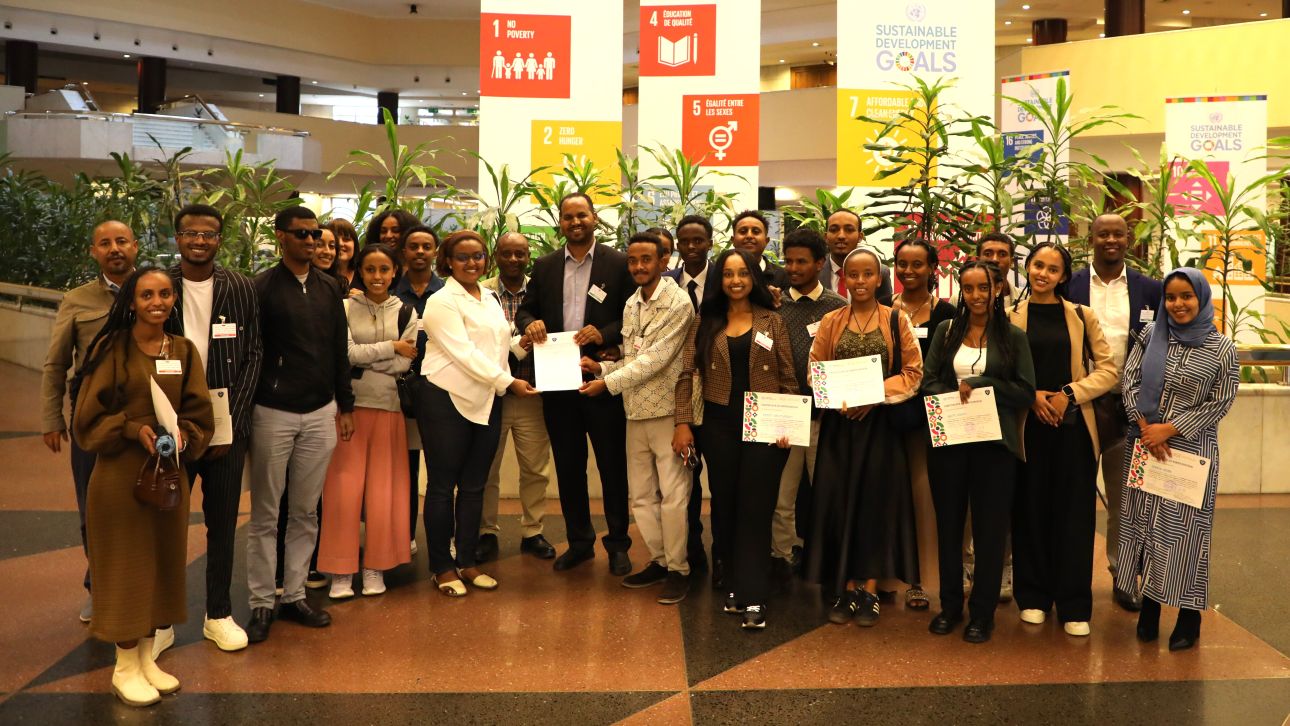
The workshop culminated in tangible outcomes: participants collectively developed 12 youth-led policy recommendations addressed to government institutions, civil society, and international organizations. Among the policy recommendations developed by participants were the establishment of a National Youth Integrity Advisory Board to institutionalize meaningful youth participation in anti-corruption policymaking, the introduction of electronic merit-based recruitment systems across public institutions, and stronger implementation, monitoring and enforcement of institutional codes of conduct. As a concrete step towards translating these ideas into action, the recommendations were formally handed over to the FEACC for its consideration, reinforcing the meaningful contribution of young people to shaping the country's anti-corruption agenda.
Mr. Haregot Abreha, Anti-Corruption and International Convention Coordinating CEO at FEACC, emphasized the importance of sustained youth engagement, noting, "Integrity cannot be strengthened without the meaningful participation of young people. We look forward to continuing our collaboration with UNODC to ensure that youth remain at the heart of our anti-corruption efforts."
By equipping young Ethiopians with practical tools in local languages and platforms for youth-driven policy input, the workshop reinforced their vital role in advancing transparency and accountability. Through the GRACE Initiative, UNODC continues to work with young people, educators and civil society organizations across Ethiopia to strengthen integrity through anti-corruption education, including by making GRACE educational tools available in Amharic.