|
|
TEACHING INTEGRITY BEFORE CORRUPTION TAKES ROOT: TOGO EQUIPS EDUCATORS TO SHAPE A MORE ETHICAL FUTURE |
Lomé, Togo, 18-23 May 2026 — “Educating children helps prevent punishing adults; it is the most powerful weapon to eradicate the scourge of corruption,” said a Togolese educator.
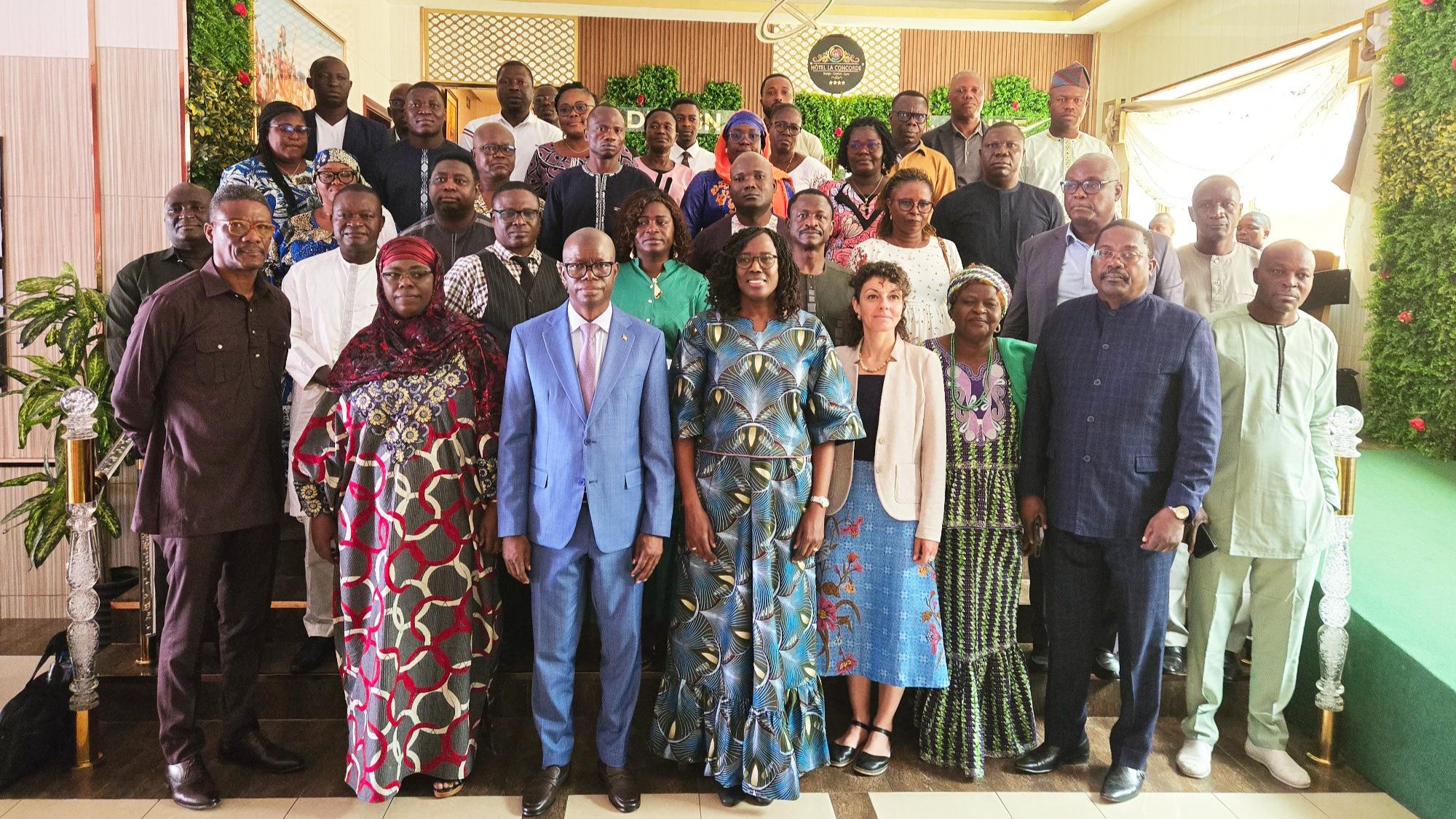
This view was at the heart of two intensive training workshops held in Lomé, Togo on 18-23 May 2026, as part of a national effort to integrate anti-corruption education into formal and non-formal learning systems. Organized by UNODC’s GRACE Initiative and the High Authority for the Prevention and Fight against Corruption and Related Offences (HAPLUCIA) of Togo, the trainings brought together educators, curriculum experts, and education stakeholders to explore how integrity, accountability, and ethics can be taught from an early age.
The workshops brought together 25 primary education teachers, 25 non-formal education specialists, and 5 HAPLUCIA staff members to strengthen their ability to teach integrity and anti-corruption values. Through interactive sessions, participants gained practical pedagogical approaches and educational tools to help nurture ethical values, accountability, and civic responsibility among learners. The trainings drew on educational resources developed by UNODC’s GRACE Initiative, including the Zorbs toolkit for primary education, and a manual on integrity and ethics for non-formal education facilitators, developed together with SOS Children’s Villages, providing participants with practical, ready-to-use materials for their classrooms and learning spaces.
The trainings opened with remarks from senior representatives of government ministries, the President of HAPLUCIA, and UNODC representatives, reflecting the broad coalition supporting integrity education in Togo. Demonstrating the importance of meaningful youth engagement, Mr. Roger Kodzo, a member of UNODC’s YouthLED Integrity Advisory Board, highlighted the importance of engaging young people not only as beneficiaries of anti-corruption efforts, but as active contributors to building transparent and accountable societies.
The trainings formed part of a broader 30-month project launched under the guidance of the President of the Council of the Republic of Togo and led by HAPLUCIA in collaboration with the Ministry of National Education, to integrate anti-corruption and integrity education into education and training curricula in Togo. Across both trainings, educators explored innovative teaching methodologies designed to translate complex concepts such as corruption, ethics, fairness, and accountability into engaging and age-appropriate learning experiences. Women educators, representing 30% of participants, enriched the discussions with diverse perspectives throughout the sessions.
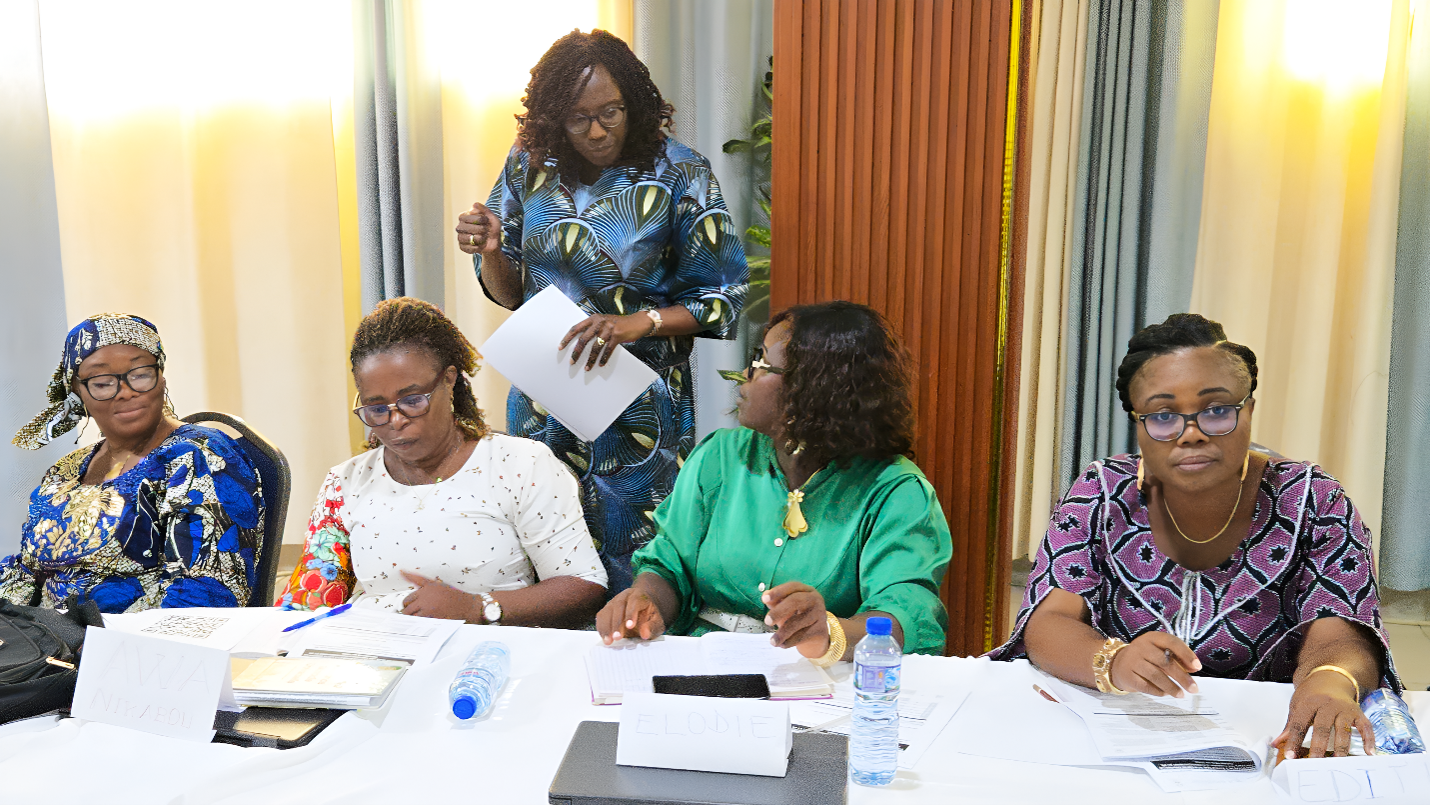
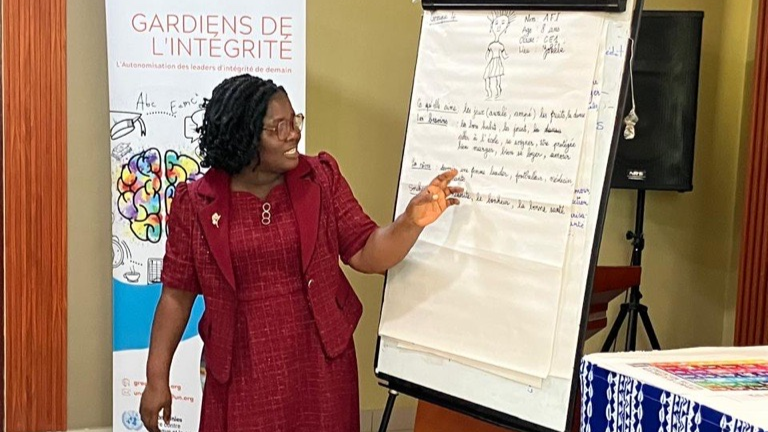
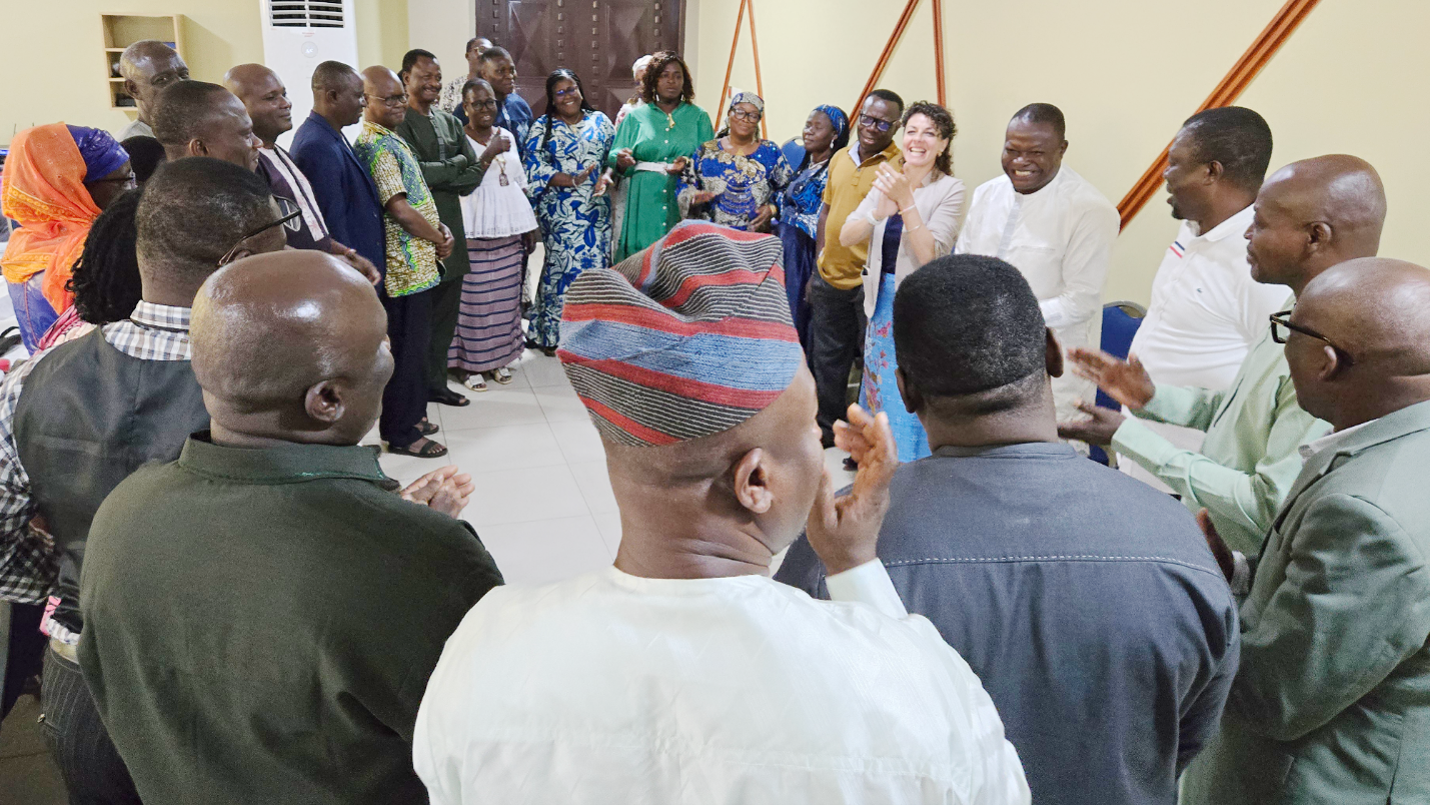
Through group work, simulations, discussions, and participatory exercises, educators examined how anti-corruption education can be integrated into everyday learning while promoting critical thinking, civic responsibility, and respect for human rights.
The impact was evident in participants' reflections. “The training had a dynamic atmosphere, with critical topics that gave me practical skills and taught me how to pass them on to my students,” shared one non-formal education teacher. “I now know better how to prevent acts of corruption in society.”
Reflecting on the role of educators in fostering inclusive and respectful learning environments from an early age, one primary education participant noted: “As educators, we must address stereotypes with sensitivity and equip learners with the tools to handle difficult situations constructively, respectfully, and ethically.”
For HAPLUCIA, the trainings represented an important milestone in Togo's efforts to strengthen integrity through education.
“The trainings for primary education and non-formal education were successfully conducted and contributed to strengthening participants’ capacities in pedagogical approaches, integrity values, and educational tools necessary for promoting a culture of probity within the education system of Togo,” noted Mr. Monsieur Aba Kimelabalou, President of HAPLUCIA. “The fruitful exchanges held during the sessions were highly appreciated by educators and constitute an important achievement for the continuation of the project.”
As Togo continues to implement anti-corruption education across its learning systems, these newly trained educators are expected to play a key role in bringing integrity values into classrooms and communities across the country, by streamlining the approach and content of the UNODC tools for primary and non-formal education into the national curriculum.
Building on the successful trainings held for primary educators and non-formal education specialists, plans are underway to organize a similar workshop targeting secondary school educators and drawing on the GRACE Initiative’s educational resources for the secondary level. By the end of the year, Togolese educators and curriculum experts will be equipped with practical tools and empowered to cultivate ethical decision-making in learners across the formal and non-formal education system, enabling them to strengthen students’ character, classroom culture, and long-term civic responsibility, and make integrity a lived value from an early age.