|
|
ETHIOPIAN YOUTH EXPLORE THE LINKS BETWEEN CORRUPTION AND CLIMATE ACTION |
“The Climate Fresk workshop completely changed how I see the link between climate change and corruption. Thanks to the trainers and the structure, I left with a deeper understanding that without transparency and accountability, even the best climate solutions can fall short,” reflected Kaleab Waktola of Eco-Justice Ethiopia after participating in the Ethiopian Youth Capacity-Building Workshop on Corruption and Climate Action.
Held on 30 and 31 July 2026 in Addis Ababa, Ethiopia, the two-day workshop was organized by UNODC’s GRACE Initiative, bringing together young Ethiopians from across the country with an interest in climate action, anti-corruption, integrity, governance and civic engagement to explore an issue that is increasingly important for sustainable development: how corruption can undermine efforts to address climate change.
Although, on the surface, climate change and corruption may appear to be separate challenges, work in this field has shown that corruption can distort decision-making, increase costs, weaken investment and divert resources intended for climate mitigation and adaptation. Its consequences can be particularly severe for communities already vulnerable to the effects of climate change. Recognizing these interlinkages, the workshop aimed to equip young people with the knowledge and tools to identify integrity risks and advocate for climate action that is both effective and accountable.
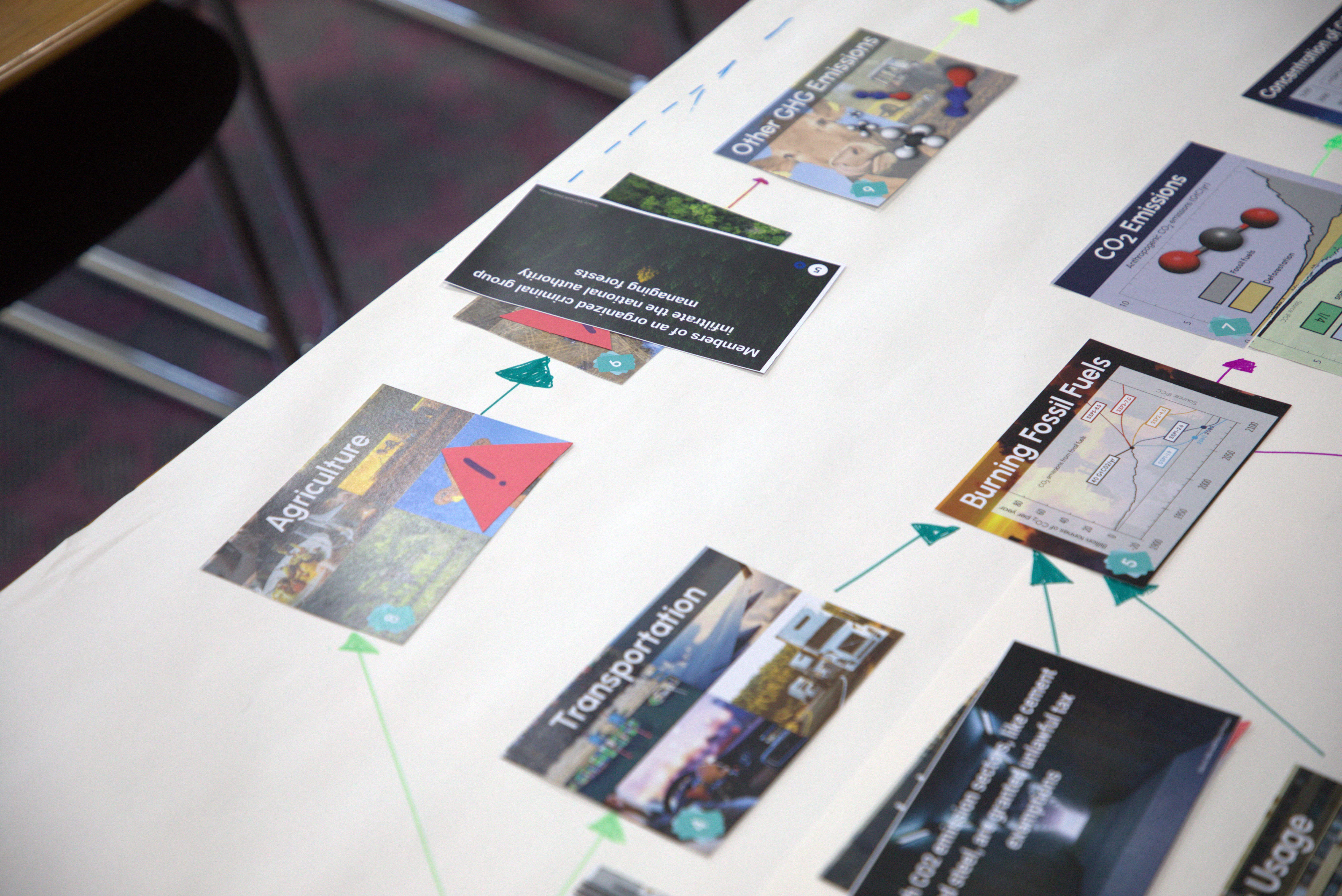
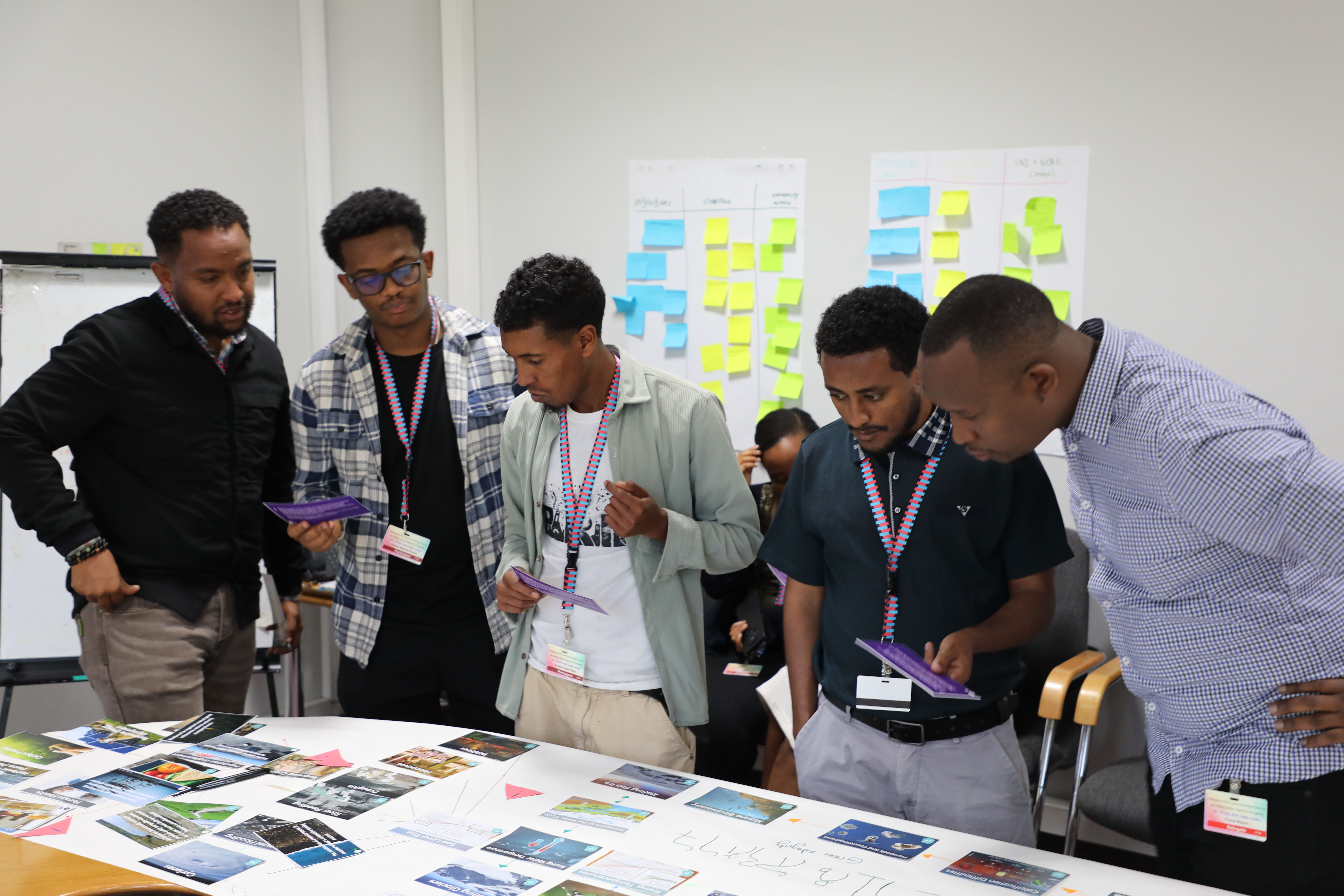
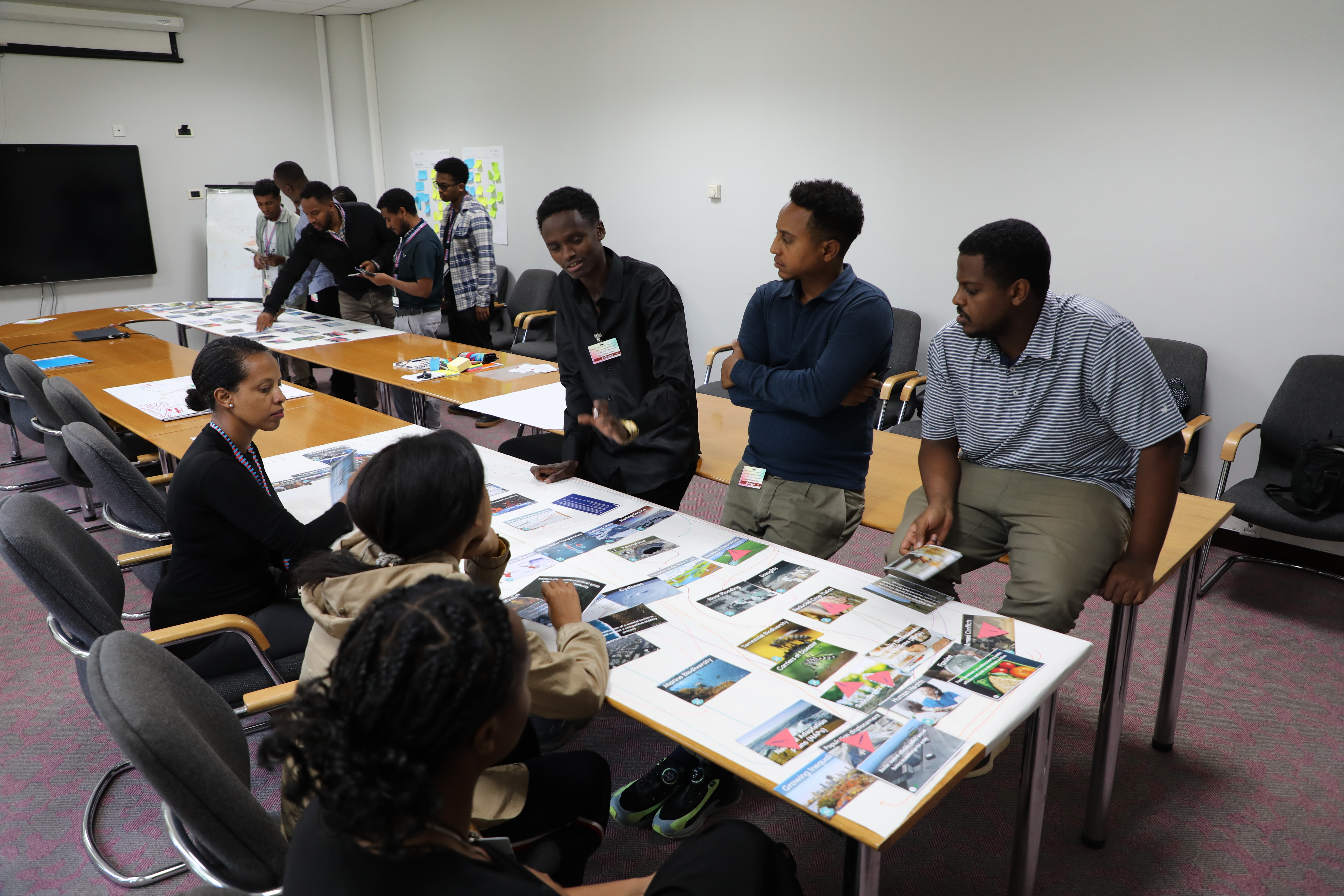
At the heart of the workshop was an innovative adaptation of the pre-existing Climate Fresk methodology, a participatory and collaborative learning tool based on the scientific consensus of the Intergovernmental Panel on Climate Change (IPCC). Working together with a set of cards representing different causes and consequences of climate change, participants first constructed their own “fresks”, tracing the relationships between human activity, greenhouse gas emissions and their environmental and social impacts. Rather than simply presenting climate science through lectures, the methodology encouraged participants to debate connections, question assumptions and collectively construct their understanding of the climate system.
On the second day, however, participants were able to revisit their fresks with a new challenge: adding corruption to the picture. Through group discussions and reflections, they examined where corruption risks might emerge across the climate response and considered how weaknesses in transparency, accountability and integrity could affect environmental policies and the resources intended to implement them. They then identified connections and missing links before moving towards solution-oriented discussions on what young people and other stakeholders can do differently.
This approach helped turn what can often seem like two complex global issues into questions participants could connect to their own communities and experiences. For Mulugeta Yohannes from Mekelle, Tigray, the exercise demonstrated the importance of looking beyond climate action in isolation: “The anti-corruption session reminded me that transparency and accountability are essential for effective climate action and sustainable development. It strengthened my commitment to promoting integrity and ensuring that resources meant for communities are used responsibly.”
The discussions also highlighted that corruption is capable of affecting climate action in different ways such as for example influencing how priorities and projects are selected or weakening implementation and reducing the impact of resources intended to benefit communities. It follows then that stronger transparency, accountability and public participation can help make climate policies more credible, inclusive and effective.
The workshop formed part of the GRACE Initiative’s broader efforts to empower young people as partners in preventing and countering corruption. Many young people engaged through the Initiative are already active not only in promoting transparency and accountability but also in environmental and climate initiatives, making the intersection between the two areas particularly relevant to their work.
The workshop ultimately underscored that young people are not only affected by corruption and climate change but, can also be important agents in addressing both. Reflecting on the experience, Urgesa Jemal from Shashemene, Oromia, said: “One of the most valuable lessons I learned was that climate action and integrity go hand in hand. As young people, we have both the responsibility and the opportunity to lead with innovation, accountability and collaboration towards a more sustainable future.”