|
|
CONNECTING CLASSROOMS: HOW YOUTH IN ETHIOPIA AND MALTA BROUGHT INTEGRITY TO LIFE |
“The first time I heard about connecting with a classroom in Ethiopia, I was thrilled. It was a new kind of education I had never experienced, and the first time I had ever spoken with students from another country,” shared a student from Malta.
For the majority of students, the Malta–Ethiopia Connecting Classrooms Project was their first exchange with fellow students abroad young people in another country think about integrity, fairness, and responsibility.
The project brought together eight secondary schools, from Malta and from Ethiopia, to explore ethics, integrity, and anti-corruption through the learning methods developed by UNODC’s Global Resource for Anti-Corruption Education and Youth Empowerment (GRACE) Initiative. Through this project, young people engaged with peers across borders in interactive spaces.
With 22 trained teachers actively leading classroom activities using GRACE tools that translate complex topics such as integrity, and anti-corruption, into practical classroom exercises, the project moved values education from theory into daily practice.
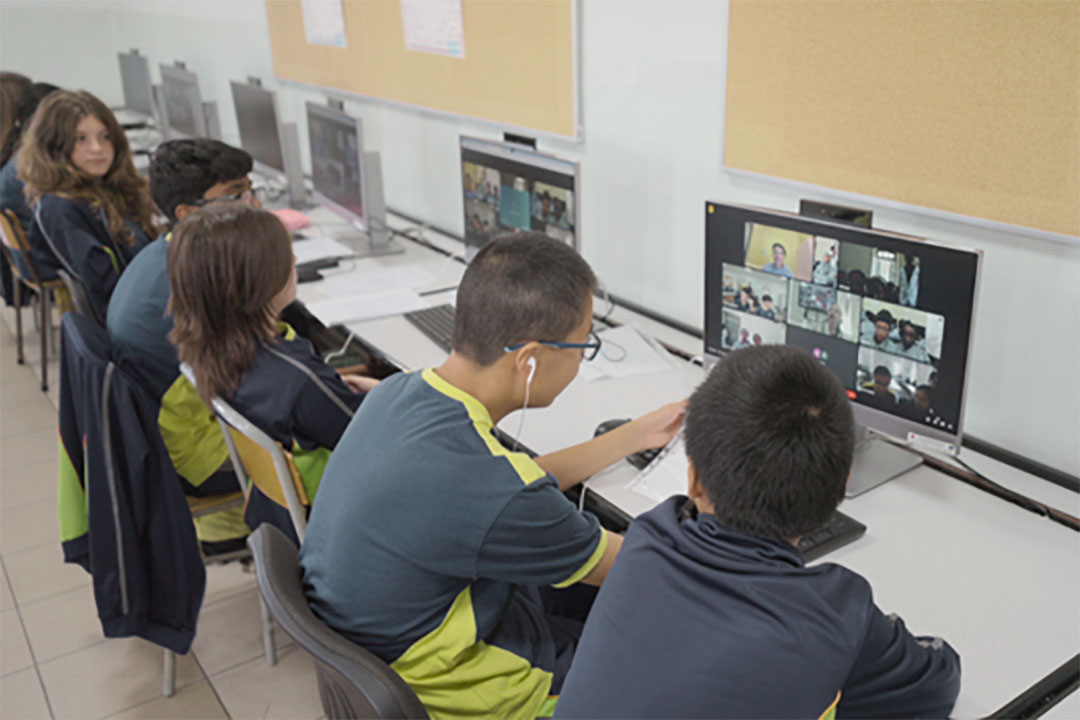
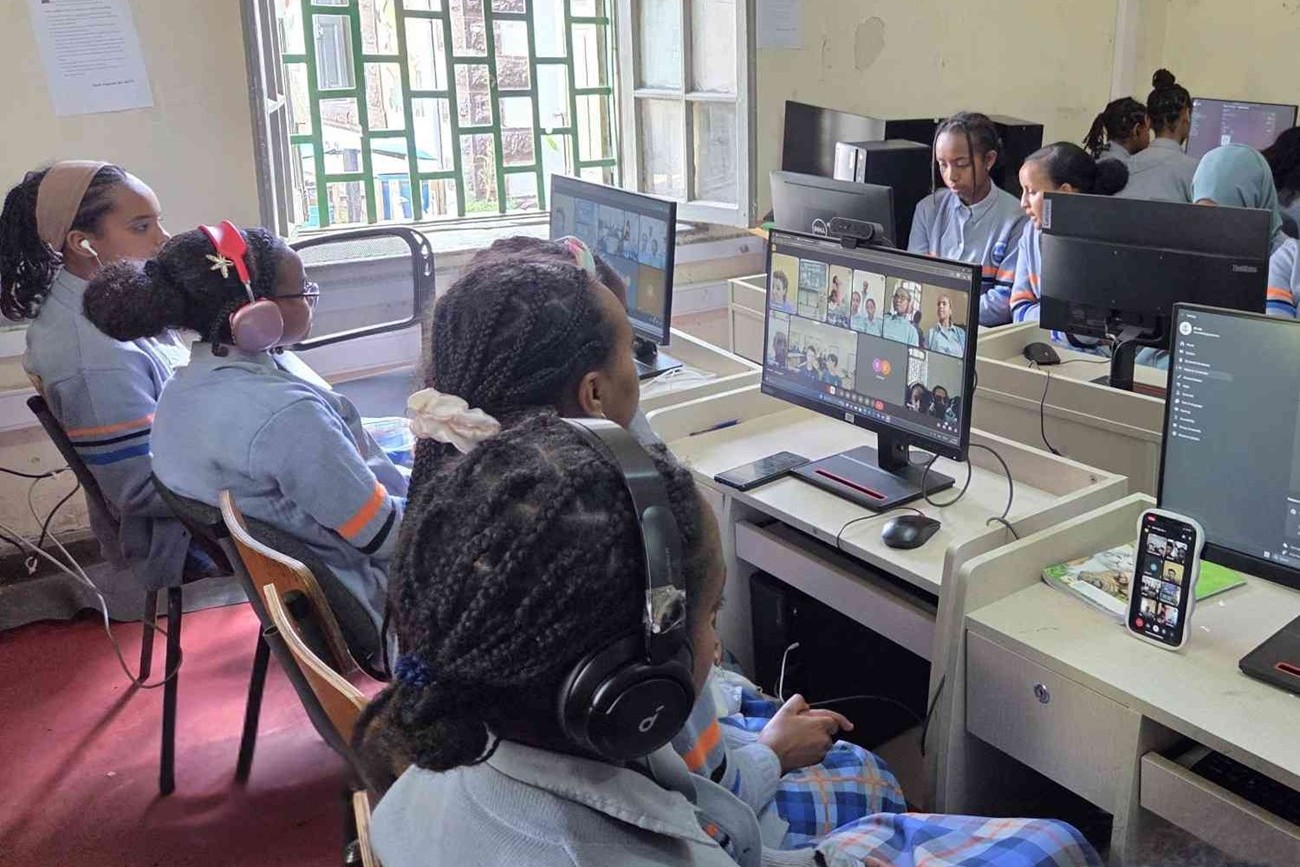
202 students participated in the Connecting Classrooms activities, which included classroom-based role plays, creative artwork, group discussions, and integrity walks. These activities were later shared during online exchange sessions, where students from Ethiopia and Malta presented their learning and engaged in cultural exchange, strengthening ethical awareness, global citizenship, and intercultural understanding.
“As a group of young people, it is not uncommon for our opinions and thoughts to not be regarded as important or valuable. But in this project, every opinion mattered,” shared a student from Ethiopia.
The project concluded with two high-level closing events.
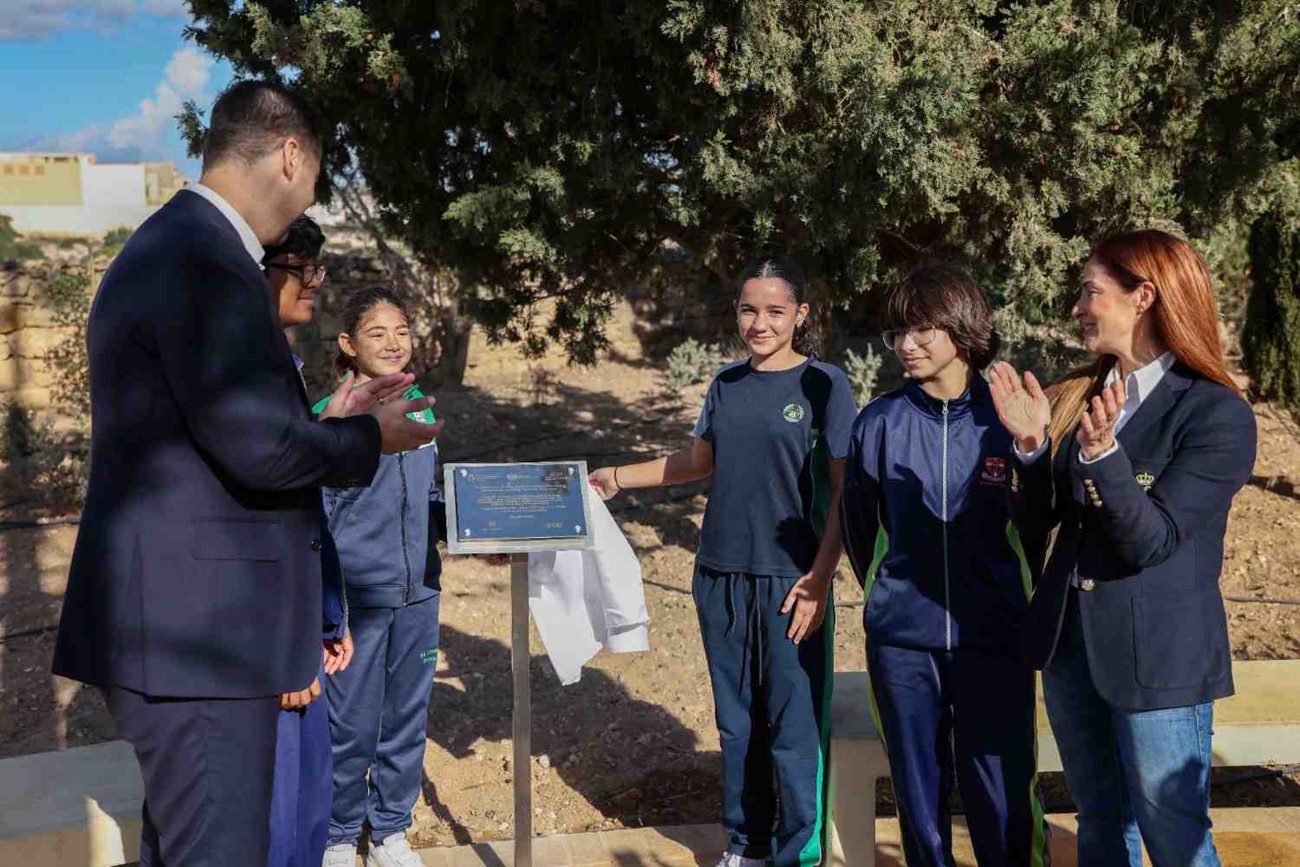
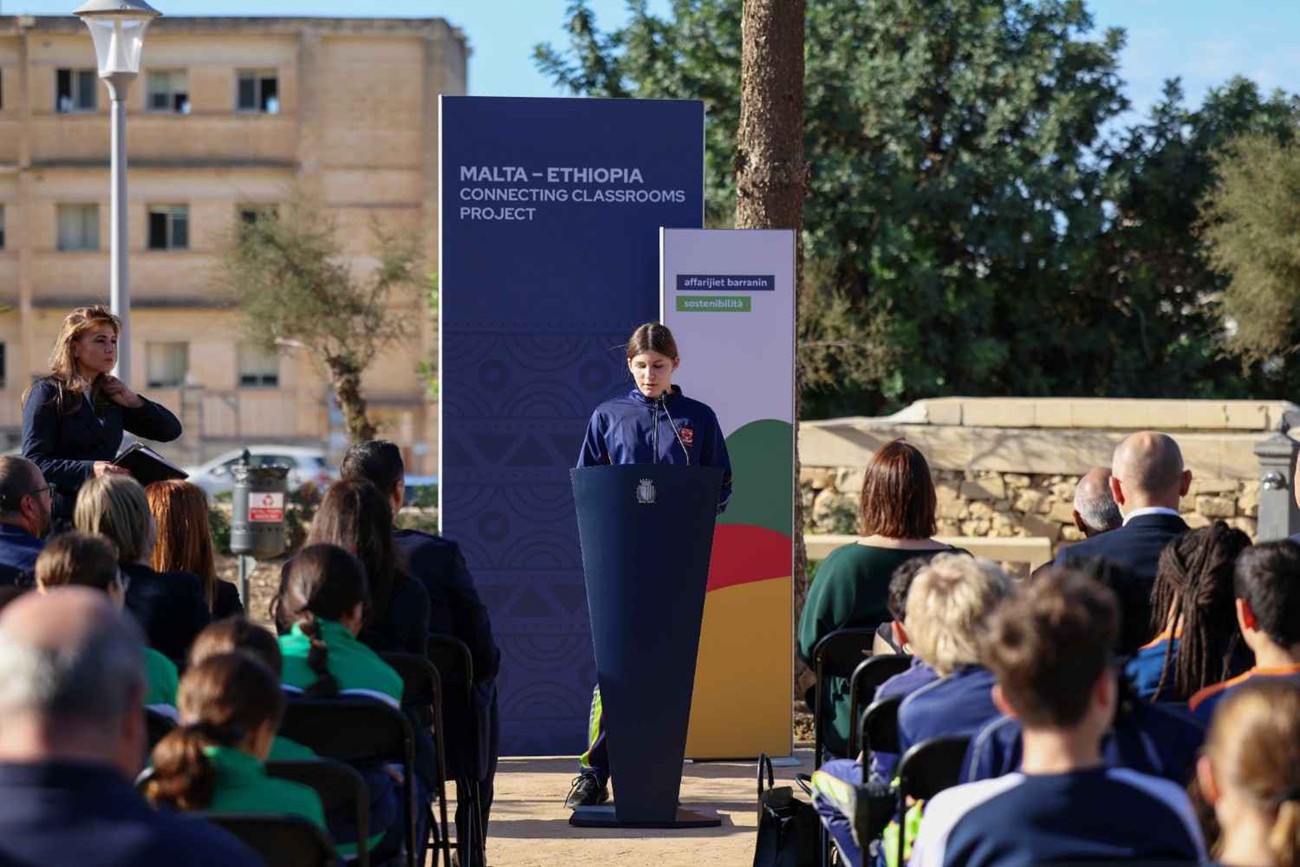
On 21 November 2025, more than 80 participants gathered in Malta, including Deputy Prime Minister and Minister for Foreign Affairs and Tourism, H.E. Mr. Ian Borg, as well as officials from the Ministry for the Environment, Energy and Public Cleanliness, senior government representatives, students, teachers, and school principals.
Students shared what the project meant to them, highlighting trust, dialogue, and the bridges built with their Ethiopian peers.
“I learned many things and something that stood out to me was that [the Ethiopian students] had the exact same problems that we did and that they handled it the same way that we did,” said one student.
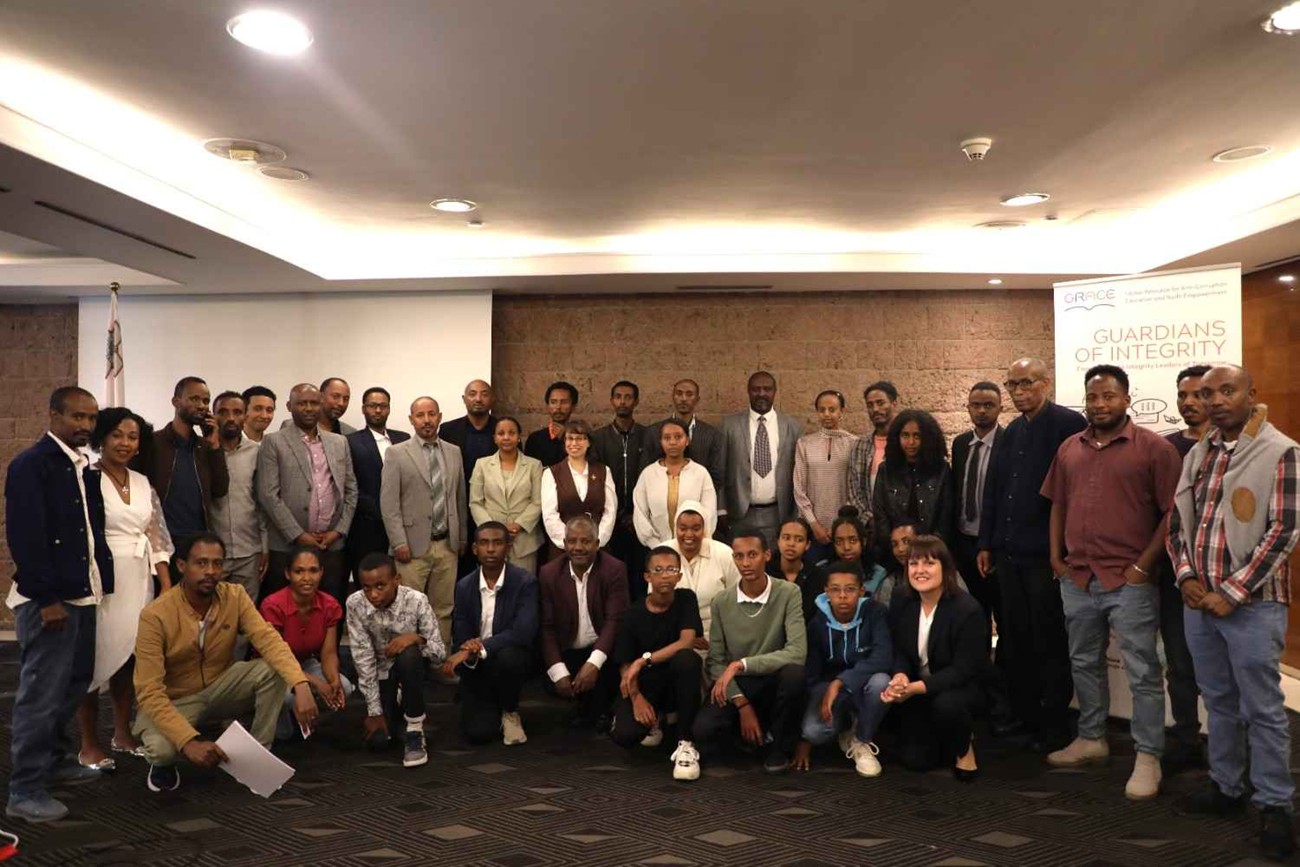
Just days later, on 29 November 2025, 44 participants gathered in Ethiopia, including officials from the Ministry of Education, Kotebe University of Education, the Chargé d’Affaires of the Embassy of Malta, CSOs, school principals, and students. A presentation by Dr. Fekede Tuli, Vice President of Kotebe University of Education, highlighted the importance of embedding ethics and integrity into both formal and non-formal education through active learning.
“By integrating ethics, integrity, and anti-corruption education into the classroom, we equip teachers and students to stand for transparency, accountability, and fairness,” noted Meseret Bekele, Director at the Ministry of Education, Ethiopia.
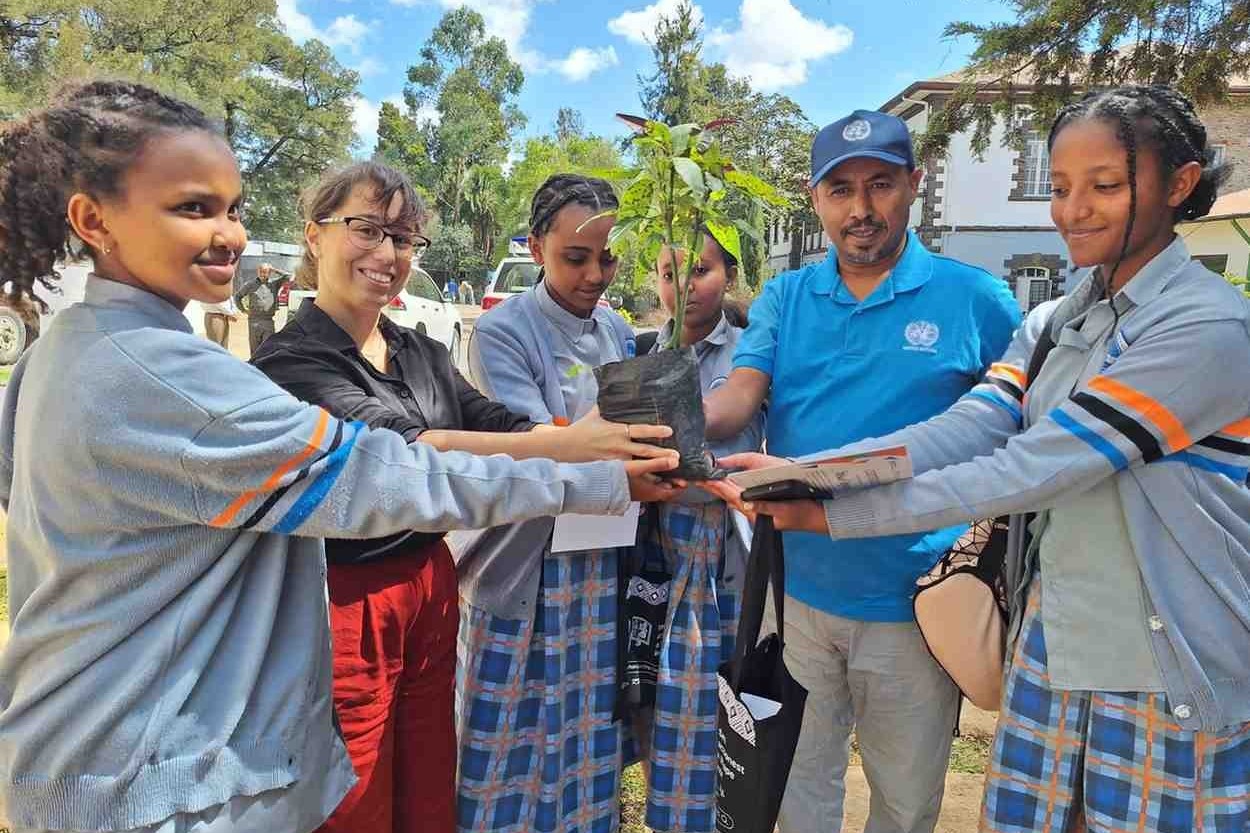
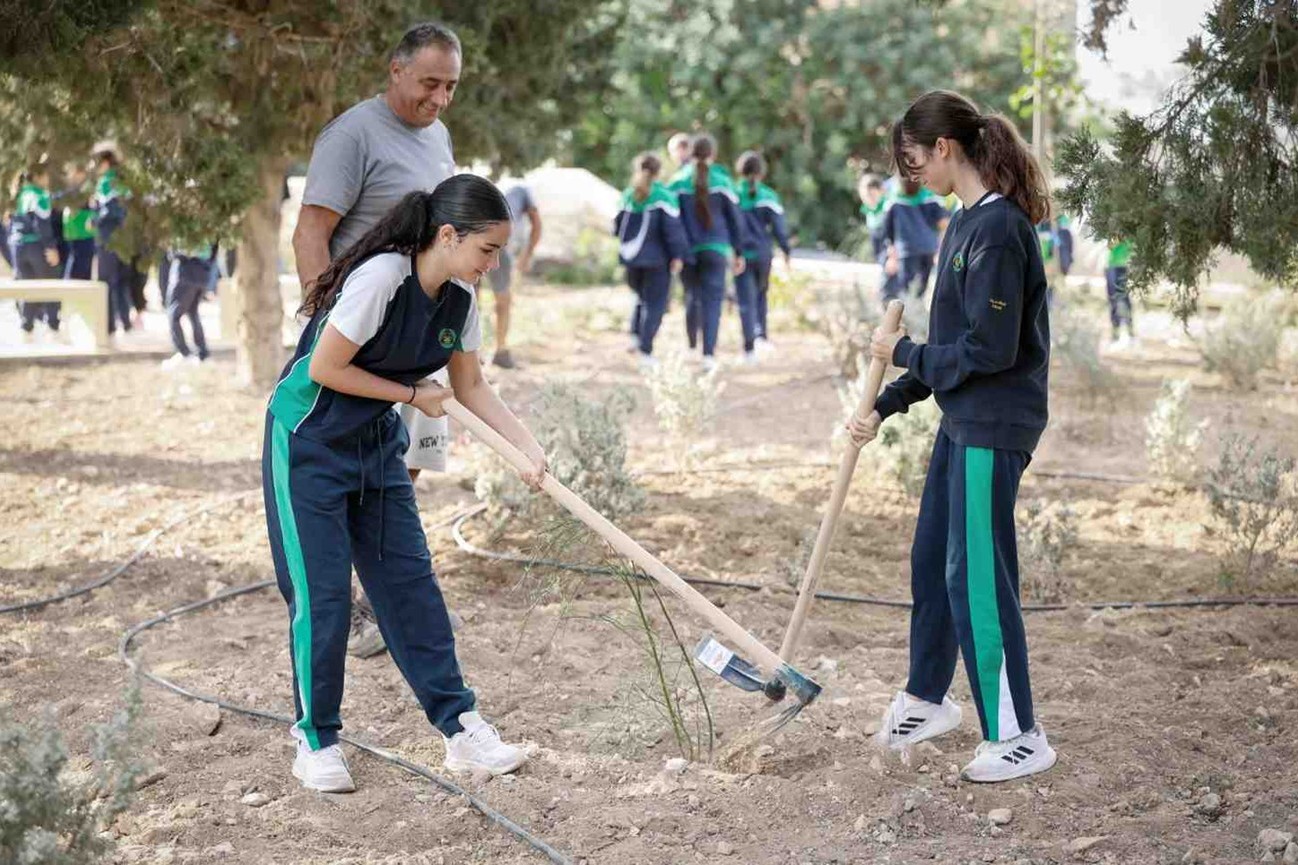
As a symbol of sustainability, students and stakeholders planted 66 trees and 45 plants across the two countries, the seeds of hope representing the long-term growth of integrity and environmental responsibility.
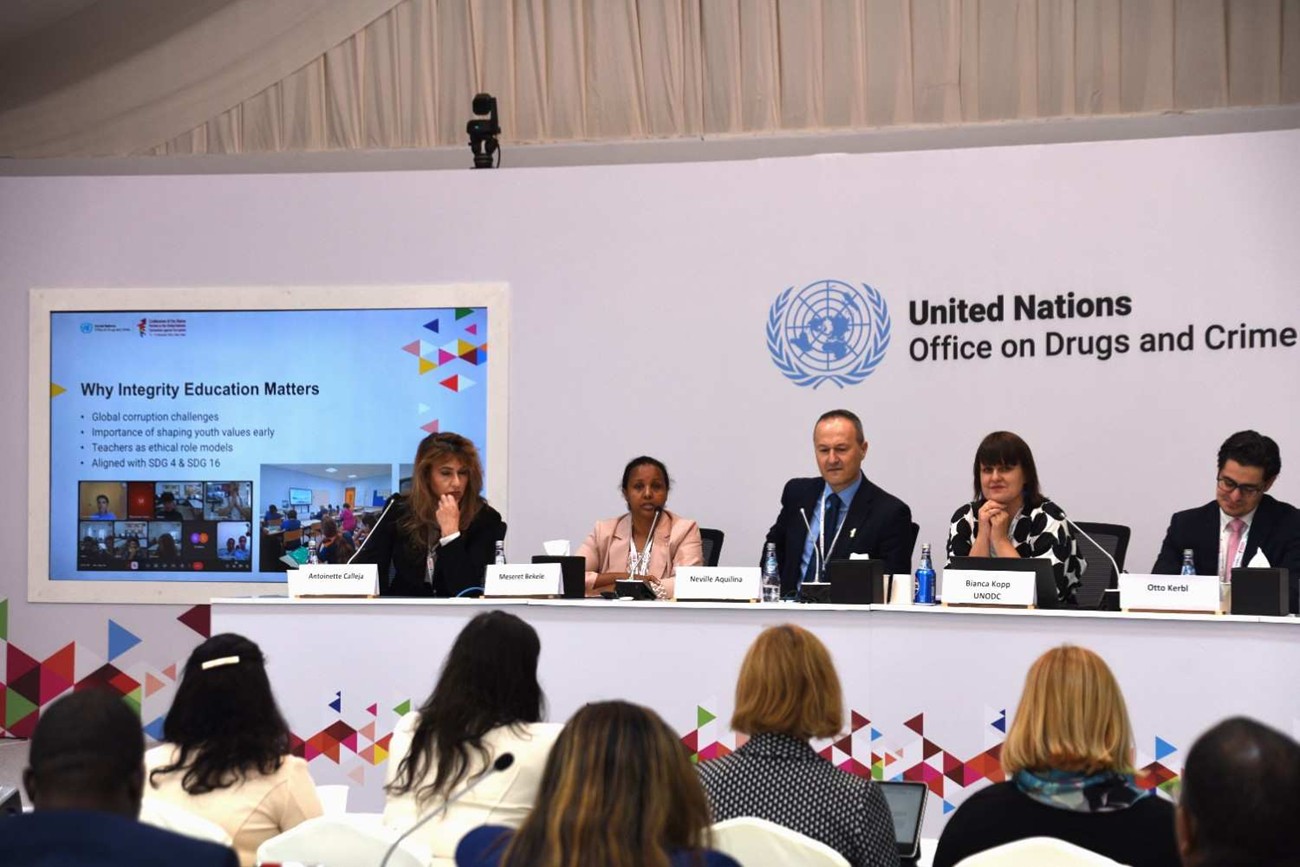
The project was also showcased on the global stage at the 11th Conference of the States Parties (COSP11) to the UN Convention against Corruption in Doha, Qatar, where key project findings and ways forward were presented by Ethiopian and Maltese counterparts. These showed that students benefited more than expected from the cross-country exchange and participatory learning approach, demonstrating how integrity education can create meaningful changes in young people’s lives.
“Our generation bears a responsibility to shape a legacy of leadership and solidarity. This is precisely why the Connecting Classrooms project, enriched by the GRACE tools, resonates so strongly with the needs of our time,” reflected Mr. Neville Aquilina, Director General for Global Issues, International Development and Economic Affairs, Ministry of Foreign Affairs and Tourism of Malta.
By empowering youth, equipping teachers, and building international partnerships, Connecting Classrooms contributes directly to Sustainable Development Goals 4, 5 and 16, proving that integrity education is not only about preventing corruption, but about nurturing a fairer, more inclusive future led by young people.